The Engine Room
Project management training for creative teams.
For the people who make things happen.
everything else work
Creative and cultural work moves fast, changes constantly and rarely comes with a manual.
Most training was written for someone else: for corporate teams, in language that has nothing to do with an event plan, a programme announcement or a client who has changed their mind. AI has changed how projects get planned, written and reported, and most training hasn’t kept up. This training comes from doing this work myself, with all kinds of clients, and it’s built around the situations your team actually face and the way they like to work.
I start from what you already do well and make it easier to repeat.
“Real tools, a clear method, and a noticeable shift in how the team works. More structure, more confidence - and a lot less reinventing the wheel.”
and the clients
was asked for and what
was heard
good as the brief
behind it
For anyone managing programmes, projects and events in the creative world
If you are running projects in a creative agency, producing events and cultural programmes, managing in-house at a venue or gallery, or leading work in an arts organisation or charity - and you have been doing it largely on instinct - this is for you.

Creative agencies
Producers, project managers, account handlers and creative services leads running activations, campaigns and experiential work - teams that have grown fast and need a shared process.

Venues and producers
In-house teams at venues, and independent producers. People who came up through doing, not training.

Arts organisations and charities
Programme managers, project leads and operations staff carrying several projects at once with limited resource, in language that fits the sector rather than the boardroom.
Online or in-person training in ten chapters
I’ll agree the format with you up front, so the time goes where your team needs it most and everyone leaves with tools, frameworks and approaches they can pick up and use straight away.
everything else isn't.
What project management actually is
What it is, what it isn’t, and why creative teams are better at it than they think.
Setting a project up
The six things every project needs before work begins.
Operating rhythm
How to keep your hands on a project throughout delivery, and recognise when the pace needs to change.
Protecting scope
What to do when everything feels urgent and the brief keeps changing.
Managing people
Stakeholders, escalation and delegation - and the small communication gaps that quietly grow if nobody catches them.
Risk
Not a document. A habit. The questions to ask at the start of every project, and the plan for when things go wrong.
Communication
How work gets agreed, escalated and understood - managing up, managing amongst the team, and writing the message that’s clear first time.
Meetings
Running the meetings where decisions get made, and making sure they get acted on.
Tools
The tools you’re given, the ones you’ve come to rely on, and how to add AI so it fits how you already work - rather than becoming one more thing to manage.
Closing a project
How to finish properly - the debrief, the lessons, the archive - so the next project starts smarter than this one did.
optional
differently depending on
who's reading it
no meeting
AI runs through every chapter, showing where it genuinely helps and where it doesn’t.
All training starts with how you already work - the tools you use, the roles you have, and how projects really get managed in your team.
For a team of up to ten people, including discovery, the full workshop and a one-to-one with each participant. Larger teams and more tailored briefs are very welcome - get in touch and I can work out what makes sense for you.
it isn't happening
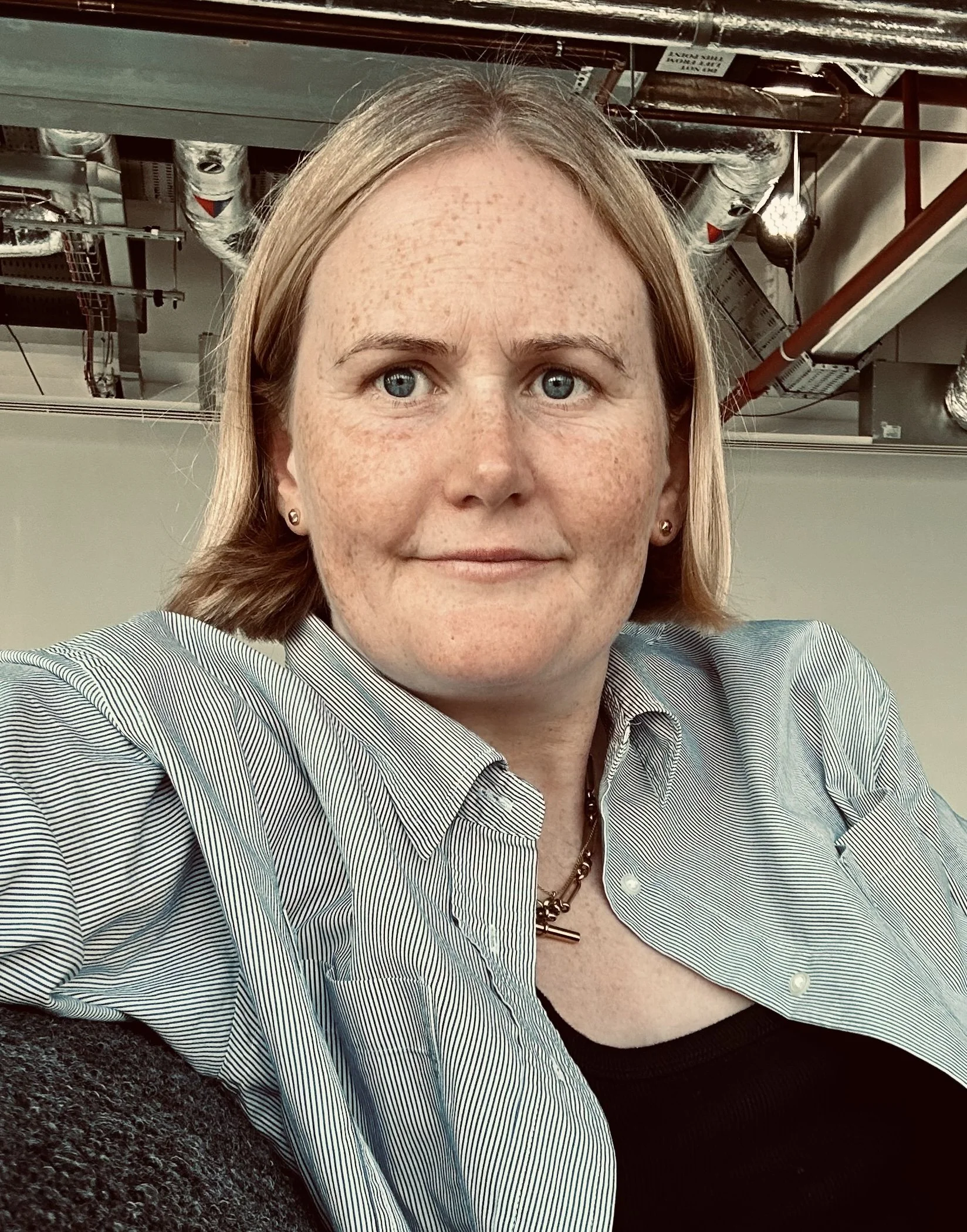
Twenty-five years of making things happen with brilliant people, across arts, culture, charity, brand and business.
I’ve spent my career producing large-scale events, projects and creative programmes for organisations including Nike, Samsung, the Southbank Centre and the Barbican, across the UK, the US, the Middle East and Africa.
I started The Engine Room because I went looking for practical, real-world project management training for creative teams, and it didn’t exist. Nothing out there reflected how the work actually happens, or how much AI is now changing it.
It all starts with a conversation
Before I plan anything, I want to hear about the tools your team already uses, where AI does or doesn’t come into your work, and how projects and ‘project management’ currently run across your roles and business.
From that, I shape the workshop around how you actually work, using the ten-chapter plan above. Here’s how it works:
Discovery
A planning call with whoever is commissioning the training, and a ten-minute questionnaire for everyone taking part. That way I know exactly what I need before I start.
The workshop
Online across a few sessions, or in person in a single day. Ten chapters, shaped for your team.
One-to-ones
A follow-up with each person - up to ten - on whatever matters most to their role and their projects.
the shelf
good as the brief
behind it
Tell me about your team and your projects - and I’ll be in touch within two working days.
are wrestling with